Wednesday, December 21, 2011

Al Jazeera - The Dreamers

This is an excellent link which relates to the struggle many undocumented citizens deal with in the United States.

Follow the link:
http://www.aljazeera.com/programmes/activate/2011/09/20119411404592267.html

Manu Chao - Clandestino vivo en Arizona

Este es un video muy fuerte que muestra la realidad de la situación de penalización por el gobierno Estado Unidense en contra los inmigrantes sin documentos. En particular, el estado de Arizona ha adoptado legislación dura para penalizar eses "clandestinos".

This is a powerful video which shows the reality of the situation of penalization by the United States government against immigrants without documents. The government of the state of Arizona has adopted strong legislation to penalize these clandestine immigrants.

Tuesday, December 20, 2011

Furbie Cakes - K.I.S.S (Keep it Simple Stupid)

The title track from the album done by a great homie of mine Chris Reano aka Furbie Cakes. The album Keep it Simple Stupid is being released tomorrow. Check it out here on Viva the Funk.

10 Años desde la crisis económica en Argentina en 2001

Un muestra fotográfica de los eventos que ocurrieron durante la crisic económica en Argentina en 2011. La muestra es un recordatorio del momento 10 años después.


Saturday, December 17, 2011

Masa Crítica Buenos Aires 2011 (Critical Mass)

This video offers a glimpse into the monthly Critical Mass or Masa Crítica in Buenos Aires, Argentina, 2011. The worldwide sensation is used as a way for bicycle enthusiasts to celebrate and reunite with other bike lovers, as well as provide a political statement by occupying the public streets typically overrun with cars. This was a piece done for the Argentina Independent English news publication in Buenos Aires.

Marcha del Orgullo Gay en Buenos Aires, 2011 (Gay Pride March)

This video was done for the Argentina Independent English news publication in Buenos Aires Argentina. http://www.argentinaindependent.com/top-story/soy-yo-gay-pride-in-argentina/


A MIMA Minute con Leon Mobley y los Facheritos de Barracas, Buenos Aires, Argentina

Leon Mobley visitó a los Facheritos de Barracas para tocar, disfrutar, y intercambiar culturas.

Thursday, December 15, 2011

Eternidad - Short Film Estudio Urbano

The final short film from Estudio Urbano is a sort of crazy, haunted rollercoaster. Get Ready!!!

Friday, November 11, 2011

A MIMA Minute - Barracas Music Video

This is a MIMA Minute video that Executive Director Christoph Geiseler put together with as an introduction for me and the upcoming soon to be released Barracas Music video.

Trust (1990) - Adaptación - Español

Una adaptación de la pelicula Trust por el director Hal Hartley.

Sunday, October 30, 2011

Cayendo Satelites - Cortometraje Argentina (Short Film)

This is a link to a short film I did with some classmates. Enjoy! I hoping to add English subtitles soon.

Este es un link a un cortometraje que hice con algunos compañeros de mi clase. ¡Disfrutá! Espero agregar algunos subtitulos en Inglés pronto.

Thursday, October 20, 2011

Aniversario de la Muerte de Mariano Ferreyra

Agrupaciones politicas de muchos sectores de Buenos Aires convergieron en la Plaza de Mayo para reclamar a la encarcelación de los responsables y recordar la vida del militante joven, Jueves el 20 de Octubre, 2011.

Sunday, October 16, 2011

Esto es cualquier cosa - Cortometraje Argentina

Acá les paso un video cualquier que hice en una clase de cortometraje.

Baiana System Groovin' Brazilian Dubstep

I heard about this group Baiana System from NPR's weekly Alt. Latino music program. This songs has a lot of the bahian african elements plus hypnotizing electronic dub. Check it out!!!!!!

Yo escuche de este grupo por el programa de radio Alt. Latino y NPR. El tema tiene muchos elementos de la influencia africana de Bahia combinado con un dub electrónico hipnotizante.

Sunday, September 18, 2011

Cuatro Clásicos de Cuba

Después de la salida del grupo la Buena Vista Social Club, el mundo empezó conocer más sobre la música tradicional de la isla de Cuba. El album tuve mucho exito y incluye varios hits inolvidables, sin embargo yo quiero presentar cuatro temas más para incluir si o si a su colección Cubana.

Una voz inconfundible de Ibrahim Ferrer (un integrante del disco Buena Vista Social Club)


Otro clásico Beny More con su orquestra gigante y "Como Fue"


Septeto Nacional Ignacio Piñeiro


Y otro de Compay Segundo (otro integrante del disco Buena Vista Social Club)

Tuesday, September 6, 2011

Che Boludo!!!!

For those who are unfamiliar with Argentine and in particular Argentine Rio Platense Spanish than the phrase of "Che Boludo!" is probably unfamiliar. However the Argentine capital of Buenos Aires it is as common as a SoCal surfers use of "Dude." In fact, the phrase has inspired the creation of phrase book masterpiece "Che Boludo" by American James Bracken. The phrase can be heard on streets between maddening traffic, in the soccer stands after a player makes an errant pass, and between almost any male conversation between friends or acquaintances. The phrase has even been adopted by girls, as they also frequently refer to friends as "Boluda". However, be careful when carelessly slinging around "Boludo" as it can be the easiest way to start a fight with a passer-by. Also, don't refer to elderly folks with "Boludo" as it directly translated into English means "Big balled Guy!"

Sunday, September 4, 2011

Reggae's Gone Country - The Gambler - Busy Signal

This is a link to a song featured on the new Reggae's Gone Country Album which was recently released. The album shows some of the common points both musical genres share as reggae artists belt out their favorite country classics. An interesting history of this musical connection can be found in a good article on NPR's website.

Este es un link a un tema que es en el nuevo álbum "Reggae´s Gone Country" que recién fue estrenado. El álbum muestra algunos de los puntos en común de los dos generos musicales.


Tuesday, August 30, 2011

Mexican Alternative Music Covers (Los Master Plus, Calor Norteño) Parte 1


Los Master Plus are one of the best examples of a Mexican band which combines the catchy melodic hooks and exact vocal lyrics of some of their favorite songs translated into Spanish and the combination of their own electronic rhythmic touch. They've become internet sensations and local favorites by covering Daft Punk's "One More Time" and King's of Leon's "Sex on Fire." Below is their version "Sexo en Fuego"

Los Master Plus son uno de los mejores ejemplos de un grupo Mexicano que combina los melodias pegajosa y letras exactas sino traducidas al Español y una combinación de su propio toque ritmico y electronico. Ellos ha vuelto un grupo popular por la internet por hacer versiones de "One More Time" por el Daft Punk, y "Sex on Fire" por King's of Leon. Abajo es su version, "Sexo en Fuego."


While Los Master Plus may add a bit of satire to their musical reinterpretations, another musical group Calor Norteño has had success with a serious, but very distinct take on the trendy Club favorite "I've got a Feeling" by the Black Eyed Peas. This tune adds some of instruments and style typical of Northern Mexico.

Mientras que Los Master Plus agregan un poco de satira a sus reinterpretaciones musicales, otra banda, Calor Norteño ha tenido mucho exito con una version seria, pero muy distinta del favorito de los discos "I've got a Feeling" por the Black Eyed Peas. Este tema agrega algunos instrumentos y estilos tipicos del Norte de Mexico.


Friday, August 26, 2011

Tierra Adentro Nuevo Documental Argentino (Argentine Documentary)

The recently premiered documentary "Tierra Adentro" by director Ulises de la Orden revisits the controversial historical "Conquista del Desierto" (Conquest of the Desert) by the Argentine government and claimed thousands of lives from the Native Mapuche people. The film takes place during the winter of 2010 as it travels a route through many Argentine and Chilean provinces in the Patagonia region to hear the story of these tribes descendants.

El cine documental recién estrenad por el director Ulises de la Orden recorre conquista controversial y historico en el año 1879 por el gobierno Argentino que termino con la muerte de miles de pueblo nativo de los Mapuche y otros pueblos originarios de la Pampa y Patagonia. El documental se ambienta en el invierno de 2010 mientras el director viaja por una ruta a través de muchas provincias ambas Argentinas y Chilenas en la región de Patagonia para escuchar y mostrar la cultura, y historias de los descendientes de eses pueblos.

A trailer about the documentary can be seen below:

Un trailer del documental se ve abajo:


Wednesday, August 10, 2011

Classic Colonia Uruguay

An old automobile on the old stone streets in Uruguay's Colonia del Sacramento. Colonia's history dates back hundreds of years and began as a fortified Portuguese colonial town overlooking the Rio de la Plata.

From Colonia Again

Friday, July 29, 2011

Hip Hop Brasileiro

I had heard of a growing Hip Hop music scene in Brazil, but I hadn´t ever heard too much. One of the most commonly known artists from Brazil might be Rio´s Marcelo D2, but I recently came across another artist Emicida who also knows how to bring down the house. I've attached a couple of links so the public can decide:

Yo he escuchado sobre el movimiento cada vez más grande de música Hip Hop que viene de Brasil, pero nunca he escuchado demasiado. Uno de los artistas más conocidos del genero en Brasil es Marcelo D2 de Rio de Janeiro, pero recién me enteré de otro artista que también sabe bien los ritmos y rimas de un Hip Hop "muito legal". Adjunto un par de enlaces para que el publico se pueda decidir:

This song Vacilão (Lame) is a laid back cruising the neighborhood type jam while the other Triunfo (Triumph) is a high energy pump up anthem.


The final song is a direct translation of a hip hop classic by Africa Bombata called Looking for the Perfect Beat. It may be appropriate that a founding Brazilian Hip Hop artist Marcelo D2 translated the classic into Portuguese and then added Brazilian musical samba elements. Check it out: A Procura da Batida Perfeita

El tema final fue traducido directamente de un tema clásico de hip hop por el MC Africa Bombata y se llama Looking for the Perfect Beat. Tal vez sea perfecto que un fundador del Hip Hop Brasilero Marcelo D2 tradujo el clásico a Portugués y sumó muchos elementos musicales de Samba al ritmo. Fijáte: A Procura da Batida Perfeita

Thursday, July 28, 2011

Carteles de Buenos Aires (Street Signs in Buenos Aires)

A star sign lies on the roof on an old house in demolition in the Porteñon neighborhood of Boedo.

Un cartel que dice "star" se queda en el techo de una casa vieja mitad demolida en el barrio bien Porteño de Buenos Aires.

From A Taste of Argentina

Latin America and the United States' Debt Default

Latin American markets slow down due to the fear of their economic stability with the looming United States' debt default on the horizon.

This link is taken from Al Jazeera English media source:

http://english.aljazeera.net/video/americas/2011/07/201172845514507402.html

Latin America and the United States' Debt Default

Latin American markets slow down due to the fear of their economic stability with the looming United States' debt default on the horizon.

This link is taken from Al Jazeera English media source:

Thursday, July 14, 2011

Diarios de Bicicleta (Bicycle Diaries) - David Byrne

David Byrne passed by Buenos Aires to promote his new book "Bicycle Dairies" which talks about his stories riding on a bike around many of the big cities around the United States and world. Byrne also participated in a conference regarding bicycles and their future as a mode of transportation in cities.

David Byrne pasó por Buenos Aires para promocionar su nuevo libro "Diarios de Bicicleta" en lo cual él relata sus historias montado en bici por muchas de la cuidades más grandes de los E.E.U.U. y el mundo. Byrne también participió en una conferencía que tenía que ver con las bicis y su future como un modo de transporte.

From San Telmo

Tano Pashman y su pasión frustrada por River (Frustrated passion for River Plate)

El nuevo famoso de los medios Argentinos después de la salida de un video de Youtube que captura la pasión, frustración y enojo que el hombre Argentino tiene por su cuadro River después de su perdida y bajada a la liga B nacional.

The new famous icon within the Argentine media after the release of a Youtube video that captures the passion, frustration, and anger that the Argentine man has for his team River after their loss and fall down to the national B soccer league.

Tuesday, July 12, 2011

Juegito de futbol en Barracas, Buenos Aires

Música Vintage en San Telmo

Todo es antiguo en el barrio porteño de San Telmo hasta la música.

Everything is vintage in the Buenos Aires neighborhood of San Telmo, even the music.

From rollos

Saturday, July 2, 2011

Photos from MIMA music in Barracas, Buenos Aires

Photos from the music workshop for kids in the slumtown (Villa 21) in Buenos Aires, Argentina.

From mimafotos

From mimafotos

From mimafotos

From mimafotos

From Mima Barracas

Thursday, June 30, 2011

River Plate: Cada vez más Complicado (River Plate: Each time it's more Complicated)

Las noticías del descenso de River Plate por la primera vez en su historía de la categoría A hacía la categoría B asombró a la Argentina y el mundo futbolístico por lo general cuando el equipo se cayó en la promoción frente el equipo Belgrano de Cordoba tras el empate 1-1 en el monumental el domingo. El descenso y la combinación de tristeza y furía entre todos los asociados resultó en una noche con fuego y destrucción cuando algunos de la barra brava de River decidieron hacer daño al monumental y varios otros locales por el barrio de Nuñez. Según el presidente de River Daniel Passarella, los actos no pudieron haber causado un penal en contra el club por el AFA porque se ocurrieron afuera del control del club. El caos y la destrucción que se armaron los fanáticos de River elevó la raridade de la situación a todo el mundo.

Pués el club aún con la resaca de haber bajado, ahora necesita reformar su organización tras el renuncio del tecnico, y la posibilidad de perder varios puntos para la apertura que viene. Un nuevo escandalo ha salido a la luz después del partido cuando el árbitro reclamó que algunas barras bravas de River pasaron por la seguridad del vestuario y le amenezaron con la palabras, "Si no cobrás un penal, no salís vivo". Una camera de video filmó la seguridad mientras hablaban con algunas dirigentes de River y el jefe de la barra brava Los Borrachos de Tablon. Poco después algunos de la barra brava entraron el vestuario para enfrentar el árbitro. Tal vez sea el ultimó incidente que propone a la AFA castigar el equipo por las gravidades de los incidentes, sin embargo pocos creen que River espera lo peor de los juzgamientos.

De todos modos, el clima es muy nublado para el futuro del club que todos pensaron que nunca iba a descender. Ahora se quedan los clubes Boca Juniors, y Independiente como los unicos que todavía no ha bajados. Sin embargo, la derrota y la caida de gracia del club River Plate es un bueno ejemplo de la manera mala para manejar un equipo. Los problemas de corrupción, violencía y mal manejo administrativo ha creado la pesadilla más fuerte para todos los fanáticos, jugadores, y administradores que se asociaron con el club. River tiene que volver a enfocar en lo que es importante, y va a ser dificil en la categoría B, porque tienen que competir con otro equipos que en algún momento ganaron campeanatos. River va a tener que luchar más que nunca en su historía para otro día intentar volver a ser campeón.

Monday, June 27, 2011

Mahatma Dandys - Roxy Live Bar

The lively crowd amasses out onto the dance floor in front of hanging red velvet curtains of the Roxy Live bar stage. Security lets me back as I hope to take some pre-show shots of the Latin folk ensemble, the Mahatma Dandys. Sneaking behind the curtains I see Pablo Gulis, the main singer, founder, writer and Ronroco player for the band quietly sitting on an amplifier in the middle of the stage. I catch the dread-locked front man in the middle of a quiet contemplative moment, (something hard to come by playing with a group of 12 plus musicians) while he tunes his unique Latin folklore instrument. Before an indiscrete “hola” can escape from my mouth, Gulis greets me and takes me back to share a drink with the rest of the group.

As tranquil as the stage atmosphere had been when I met Gulis, I find the pre-concert backstage dressing room area a complete chaos of Mahatma Dandys preparing instruments, drinking fernet, beer, and inhaling cigarettes in between words of encouragement and final stage coordination. Gulis shows me through the maze of band mates and hands me a drink. Suddenly, the curtain goes up and the Dandys begin to take the stage, I follow up the stairs realizing that this improvised “no problema” attitude and welcoming collective atmosphere might just be what the Mahatma Dandys musical experience is all about.

A band unique in its approach to music and large company cast, the Mahatma Dandys have in their two years of existence survived by playing fun, boot stomping and hip shaking music with a communal focus. The band’s idea came when four musicians including Gulis decided to base their musical concept on sharing a great blend of Latin folklore inspired songs with any and everyone who heard them play. So in order to do this they had to play wherever possible.

“The general idea was to form a band that could play anywhere, a band that could play in the street, here, in the Roxy, in a bar; it’s what we all want. We didn’t want to be just a rock band that plays once a month. I wouldn’t have anything to do if not, I would get really bored,” says Gulis. “So we began playing, Thursdays, Fridays, Saturdays, Sunday, like this all year.”

By developing a traditional and acoustic style, the Mahatma Dandys started to gain a small following through their street performances. The four initial band-mates practised many of Gulis’s songs and they took their jam sessions to the street and small local bars where they played non-stop for five months.

Read the rest of the article at: http://www.argentinaindependent.com/the-arts/music/mahatma-dandys-a-collective-musical-experience-/

Mahatma Dandys - Live Roxy Bar from Brian Funk on Vimeo.

Los Maestros de Pan y Teatro - Tocan Manuelita en Boedo

Algunos maestros de la música tango tocan un clásico de María Elena Walsh en el restaurante Pan y Teatro en el barrio tranquilo de Boedo.

Manuelita - Pan y Teatro - Boedo from Brian Funk on Vimeo.

Monday, June 20, 2011

Buenos Aires Street Art 2 (Graffiti de Buenos Aires)

From BA Graffitti


From BA Graffitti


From BA Graffitti


From BA Graffitti


From BA Graffitti

Tren a Buenos Aires (Train to Buenos Aires)

Las vias del tren pasan por el barrio porteño de Palermo durante la atardecer, Lunes, el 20 de Junio, 2011.

The train tracks pass through the neighborhood of Palermo during the sunset, Monday, the 20th of June, 2011.

From A Taste of Argentina

Friday, June 17, 2011

Airsick: The Need for Change by Lucas Oleniuk

A video from one of the best multi-media sites around Media Storm. The project was done by Toronto Star photojournalist Lucas Oleniuk with the production help from Media Storm. A good look at the dynamic and visual nature of the media for a 21st century.

Created with 20,000 photographs and a haunting soundtrack, Airsick plays out like an unsettling dream. Photographer Lucas Oleniuk examines our addiction to fossil fuel - and its consequences. See the project at http://mediastorm.com/publication/airsick

Thursday, June 16, 2011

New Neighbors- Casas Tomadas en Buenos Aires

It was a lazy Sunday. Football was being played, the weather was fairly windy, and my roommates and I were participating in a camera obscura light workshop done by our other roommate Patricio. It was a quiet and relaxed atmosphere as we watched cool images project from a small pin hole of light entering the room. It was somewhere in between staring in amazement at buses, cars, and people walking around upside down on the ceiling when I though I heard some pounding on the wall of the house next store. Well a few of us had heard it, but we didn't make anything of it.

Monday morning proved to be a slow but very eventful morning. I didn't have to get up at the break of dawn because I my English classes had been canceled, yet I woke up somewhat early to a phone called from my Japanese roommate Yasuko calling me to inform me that a large group of police officers were outside the front door of our place. The news sent an immediate what is going on reaction in my mind as I recalled a flashback from college when police surrounded our house only to storm the house next door for a group of drug dealing college students.

Well unlike this college flashback, the police in front of the house were numerous, but all standing around staring at each other about what should be done about the situation. This is Argentina remember, and I wasn't quite sure what it was they seemed so interested in until I peered down from my room balcony to the neighboring balcony just below to see three young women, and four little kids of different ages grasping on to their legs.

Huh?? I thought, this house had been abandoned for the last three months, and slow demolition and construction efforts on the real estate's part had virtually left this house unprotected and a perfect target for a desperate family takeover. Well takeover is much too strong a word, but occupation might be more accurate.

A fairly common situation taking place all around the city of Buenos Aires, many people from lower economic backgrounds have been protesting, and taking whatever land they can find in order to protest the lack of housing, in the Argentina capital city.

The problem stems from the decades long issue of urban migration from all sectors of society towards the more industrialized, commercial and developed centers of the country. The phenomenon can be seen in most Latin American from Mexico City, and São Paulo to Buenos Aires.

Most migrants from middle to upper class backgrounds are able to find some work, and monetary support in order to find shelter, but those moving to the city with little money, find themselves either being taken advantaged of in small rural towns working as slaves to agricultural companies, living in slums, favelas or ¨villas¨as they are called in Argentina, or inserting themselves in any place they seem livable such as abandoned houses, warehouses, buildings and parks.

As the day went on I realized that there were more people in the house than I had expected. I also noticed that the police had slowly dispersed except for one lone car which waited out in front of my door. Our house landlord came by to check out the situation. He told us this was a common instance in Argentina, especially with uncared for houses. He even said that it becomes complicated, because according to Argentinian law, the police cannot lawfully break the door down enter and take out the women because they have young children with them. In fact, as long as they are in the house they can occupy the place as long as they want. But once they step a foot outside they can be arrested.

Uncertain about what would take place I randomly went out to the balcony sporadically during the day to see what was happening. At one point I noticed a couple of young men as well. These were entire families that sneaked into the house, and were going to negotiate a deal with the real estate company before they came out.

In the end the negotiation was made. No police forcefully entered and tried to cause a neighborhood uproar because they know better, and in Argentina the police walk a fine line between order and causing angry riots. The real estate complied with the tall order of 14,000 pesos or 3,500 dollars for the families to leave the property. Not too bad for a days work or occupation. But who knows how far it will go between the families. Just another day living to get by in Argentina.

Friday, June 10, 2011

Percusionistas de Barracas, Buenos Aires

Español: Un grupo de chicos participan en un taller de tambores en un centro cultural en Villa 21 en Barracas, Buenos Aires, el 4 de Junio, 2011.

English: A group of kids participate in a drum workshops in a cultural center in the slum town 21 in Barracas, June 4th, 2011.

Practica de Tambores from Brian Funk on Vimeo.

Sunset over Boedo

From A Taste of Argentina

Red Hot Rio 2 - Beruit - Leãozinho

A classic Tropicália song from Caetano Veloso sung by Beruit off the new album which comes out June 28th features various artists singing Brazilian 60´s Tropicália music. Proceeds from the album go towards AIDS research.

Saturday, June 4, 2011

Mahatma Dandys - Marcela

The fifth spicy rhythm jam of the week goes to the Mahatama Dandys live at Roxy Live Bar in Palermo, Buenos Aires, May 20th 2011. They play their cumbia anthem Marcela.

Marcela - Mahatma Dandy's from Brian Funk on Vimeo.

Friday, June 3, 2011

Greenwood Rhythm Coalition - Guajira '78

The fourth funky jam of the week goes to Greenwood Rhythm Coalition and their remix Guajira '78.

Afro Dance Party - Aberlado Carbono - Palenque

The number three jam of the week is a Afro-Colombian anthem from Aberlado y Su Conjunto.

Spicy Chicha Cumbia Peruana- Los Ribereños

The number two jam of the week. A saucy chicha cumbia jam from Peru by the group los Ribereños!!!!

Wednesday, June 1, 2011

Hot Fire Indian Funk Psychadelic Jam - Dharmatma Theme Music

Kalyanji Anandji - Dharmatma Theme Music (Sad) but much more Funky version!

Sunday, May 29, 2011

Pizza Rica brings the neighborhood together

Living in a big city it is incredible to think how many people live around you each day, yet it is just as incredible to think about how many of these people you actually know or have seen. In my case this number is very low. In fact walking on the streets it is very likely I've come across my neighbor which shares a window looking towards my kitchen in the supermarket, butcher shop, or the subway. Yet, I really have no idea who this mysterious people are, this is at least until I decide every now and then to escape the cooking routine and head across the street to buy a delicious Pizza Rica.

Pizza Rica is really an incredible concept. It is pizza bought down to its most basic form. In fact most Pizza Rica, or also known as La Fabrica de la Pizza simple contains a little bit of cheese, sauce, and bread. This basic pizza is the 7 peso trademark that brings the whole neighborhood out to its front door ordering pizza on Friday and Saturday nights. 7 pesos! Just to give a general idea on what this really means is that one can order a large muzzarella with very little cheese, for less than 2 dollars. Its an amazing deal, almost too good to be true. It makes you wonder which ingredients allow the franchise to remain in business.

The pizza itself isn't too terrible, I've have worse that has cost the double in price, and it basically does the trick of keeping you satisfied for the evening. Although, I've tried reheating Pizza Rica the next day as leftovers and found it a less than enjoyable experience.

In any case, on the way to the street side whole in the wall Pizza Rica, I came across two of my neighbors as they approached the entrance of their apartment entrance with their hands full of what else...Pizza Rica! We didn't manage to speak a single word, yet it gave me relief to know that we at least had one culinary thing in common.

Eli and I placed an order for a muzzarella pizza with extra cheese which cost a whopping 10 pesos, or $2.50. It would be just another night in Boedo.

Monday, May 16, 2011

Jewish Music to Dance To

The lights fell down on the stage at Niceto Club as an enthused and raucous crowd donned an array of festive masks. Similarly, up on stage the four band group initiated the festivities in their performance outfit complete with hat, sunglasses, and long, thick beards. The electronic drums kicked in the sound system, and at the first sound of the Jewish traditional melody, the crowd erupted into a jumping frenzy.

Eight months ago Niceto Club’s electro Jewish rave band, the Barmitzmidis had its conception when three synthesizer keyboardists and an electric drummer met rehearsing as part of a synthesizer orchestra for the group Michael Mike.

The dead time from practice with Michael Mike allowed the group which is composed of Jean Deon on electric drums, and Pin Deon, Pablo (Peta) Berardi, and Darío (Turco) Cataife all on synthesizers to let loose the creativity which Darío refers to as “some crazy moments of improvisation.”

“The musical direction came a little bit naturally. The melodies that were heard when we jammed in the practices had a little bit of everything that there is in Barmitzmidis. A little bit of Cumbia, a little bit of festive Jewish music, the rhythms had to do with this as well,” says Darío.

The idea of forming together as a band with four plugged in instruments wasn’t too conventional, and as a result the group figured their sound should also take on a unique characteristic. Jean says that it was the cultural link to Jewish heritage that drew the group members towards the culture’s traditional music.

“I think it is infrequent that you go to a party that plays electronic Jewish music, and so we liked this idea, says Jean. “Some of us have the tradition, and so it seemed fun to make a modern version of Jewish music, to bring something traditional to 2011.”

The group uses a heavy electronic rhythm to evoke a powerful pulsating dance beat, while the synthesizers mix in and out combining different melodies that contain a suggestive Jewish style. The musical result more often than not generates a fanatical fever of collective jumping.

Dario mentions that he loves to perform the traditional songs from popular Jewish culture because they come just as naturally as their own written songs, and admits that these songs are what usually bring the audience into a full blown ‘Hora’ dance.

“Almost everyone or at least every Jewish person has had a good time in a Jewish wedding when they are passed around in a chair, or the Barmitzvah which has all the spirit of the party,” says Jean. “This is the spirit we try to bring to the concerts in places like Niceto Club or other night clubs.”

The electronic Jewish and Klezmer rhythms and melodies make up the bulk of the groups song list, yet their creative influence also extend to their Latin roots.

Read the rest of the article on Club stompin´Jewish beats at http://www.argentinaindependent.com/culture/music/jewish-music-to-dance-to-/

Monday, May 9, 2011

BA Basquétbol Diaries

Dear Diary,

Today I completed my basketball dream............I balled with Jesus. Another sunny Saturday came around and that meant one thing, time to play basketball. I took about a three week hiatus from the street ball court after I absent mindedly forgot to take my b-ball shoes home with me and left them up for grabs for people passing by near the railroad tracks. I realized that in Argentina it is not very likely that when you leave something behind you'll be able to come back to retrieve it. In any case, no shoes, no problem. It gave me a chance to showcase my casual addidas on the hard courts of STREETBALL CABALLITO (translation streetball little horse).

I rolled on up to the court around 4 p.m. with a bike that I found in my house. It took me a bit of time because the bike had pedal brakes. I found that when I wanted to cross the street before ongoing traffic I tried to wheel the pedal around back for optimum foot acceleration power, but instead of blazing across "sin problema" I spun the pedal which braked the movement and made me stop right in the middle of the street like a deer in the headlights for oncoming traffic. I survived but it was an interesting return to 1st grade and pedal brakes.

From basquet

When I arrived on the scene, I was immediately recruited to play with one of the teams. I was surprised considering I hadn't even locked up my bike, but there weren't too many people and I guess they thought "yeah, this guy plays bueno, he shoots less bricks than everyone else."

In any case, I accepted the invitation. However, the hot day with the burning sun, and little warm up time made the game with the other team look like a less publicized version of the NCAA championship game. My team was decent, but we couldn't match up with the "Gringo" (a pale white Argentine dude), the "Cordobés" (a guy who was from the Argentine province of Cordoba) and Jesus (a hippie, skinny Argentinian with long black hair and beard, or in other words he had a direct resemblance to Jesus). The other team had no problem yelling out Gringo, or Jesus in English when calling the attention of their teammates, and in the end the few shots I put in the hoop couldn't match the spiritual court calm of Jesus and Co.

After the game ended, I headed to the drinking fountain to get some water and I saw my good buddy Edgar. He was back for some more street ball. I asked him if he wanted to join together but he had already formed a team with a couple of other players. As we briefly sat and chatted in between games, the Haitian Jo-Jo arrived with his buddy Jay. Jay had on his b-basketball shoes and apparel, but Jo-Jo was dressed in his gansta gear equipped with sunglasses, chain necklace, and a blingin' belt buckle with a Marijuana leaf which you could spin.

Surprised by his outfit I asked him if he was playing, but he seemed to have other plans in mind. Meanwhile, Edgar got together with his team of decent players including the Ecuadorian with whom I had played in the last episode, and their 4 foot 8 inch secret weapon "Max Steel."

From basquet

Max wasn't his real name but it was the unfortunate nickname Claudio the pizza man gave him while they were playing. I had played with Max before and I knew he could ball fairly well despite his height disadvantage. The only problem was that he could be double teamed easily which in many cases caused forced turnovers. Surprised by the small baller, Edgar asked me if he was any good and I ignorantly said "no," I would soon regret such statements.

I patiently waited court side as Edgar, the Ecuadorian Johnny, and Max took on the Gringo, the Cordobés, and last but not least Jesus. It sounded like some pay-per-view WWF battle royal match made in heaven. All eyes were on the court. Edgar surprised me with a couple of great baskets, but the most surprising player of all was Mighty Max Steel. He dribbled this way, and that way, split the double team of the Gringo and Jesus and then nailed a couple of gravity defying bank would be three pointers if there was a three point line.

Everyone watched in awe as the heavenly dynasty was vanquished by the unlikely cast of characters. I joined together with my previous team and we took to the court to see what this wonder team was all about. I was laid back as we jokingly took some warm up shots, but the atmosphere would change once the game began.

We played the typical zone defense because a lot of the time everyone got too tired playing man to man. I was playing up top, squaring off in most cases with Señor Max Steel. As soon as he dribbled the ball up, I could see the sheer determination in his eyes. As the smallest one on the court he played with a chip on his shoulder, and a quickness unmatched by anyone else. Trying to the steal the ball was impossible, as he weaved in and out bouncing the ball between everyone on our defense. Also, dribbling was difficult as he remained eye level with ball.

From basquet

The game was close, when suddenly Max brought up the ball, I could see an intense fire in his eyes, as he ran past me. I recovered well, and as he jumped up,somewhat fading away, I reached out with my left hand to try and swipe away the long distance jumper. However the ball quickly left his hand, flew over mine, floated in the air for several seconds and everyone watched in silent court disbelief as the ball banked hard off the backboard and straight in the basket. Cheers erupted, and even I couldn´t help but acknowledge the incredible and lucky Michael Jordan fadeaway jumper.

Yet, despite all of Max Steel´s incredible heroics, our team somehow pulled out the victory, and moved on to the next team. As the game began, several players on the bench said "bye" to Jesus as he road his bike out the gates of the plaza and left us alone to decide humanity´s destiny on the basketball court. The so called destiny for my team´s next game happened to be defeat. It was a hard fought struggle but the other team recruited some big guys and we couldn´t maintain the winning streak.

Disappointed I walked off the court to the sounds of Claudio screaming, "Jesus, se resucitó!" or "Jesus has resurrected, Jesus has resurrected!" Approaching on bicycle with a water bottle in hand, Jesus returned to the hard fought courts of Caballito to join his fallen comrades from the previous games. They needed one more player and I was invited by Jesus (I might add) to join together as we aimed to win back the concrete cage.

Friday, May 6, 2011

Chori Pan????

From lareserva

The best chori pan and sandwhich de bondiola in all of Argentina in Puerto Madero, Buenos Aires.

Monday, April 25, 2011

Somaticos - Buenos Aires

Somaticos - Cumbia Macabra from Brian Funk on Vimeo.


La banda Somaticos toca en la Plaza Udine el 17 de Abril 2011.

Tuesday, April 19, 2011

In Funk We Trust - Graffitti Buenos Aires

I found this stencil a while back walking through the neighborhood of Palermo. I couldn't have agreed more with the message.

From BA Graffitti

Monday, April 18, 2011

Fuego Indio toca en San Telmo

Fuego Indio Vivo from Brian Funk on Vimeo.

Window Loitering

From Palermo Cool

The hippest spot in Buenos Aires, Palermo Soho is the fashion district of the city. (Photo/Brian Funk)

Murga de Homero Simpson

From Murgashots

Un fanatico de Homero Simpson represente el personaje en su traje festivo de murga en Buenos Aires, Marzo, 2011. (Foto/Brian Funk)

Thursday, April 7, 2011

Wednesday, April 6, 2011

Chicha Libre Q and A

A question and answer with frontman for the band Chicha Libre Olivier Conan prior to their South American tour of authentic Chicha cumbia. Chicha Libre plays at Niceto Club Niceto Vega 5510, Palermo on Friday 8th April in Niceto Club. The show starts at midnight and tickets cost $40 before the day of the show.

BF: How is it that the band got started in Chicha Music?

OC: We got started when I went to Peru about 6 years ago, and I was always into new different types of music like the Criolu, and Afro Cuban music, and I ran into Chicha music. The mix of music was really amazing, very post-modern in a very unselfconscious kind of way, with a mixture of pop and cumbia, salsa and all of the psychedelia, and so when I went back I shared it with a bunch of people and we just started to play some of the tracks to see what it would sound like. It formed a band fairly quickly. I also worked on putting out a compilation which are the Roots of Chicha compilations, and so between the two I got completely immersed and it became a big part of my musical output.

BF: So, I found out a lot about Chicha music after I saw the Peruvian movie "La Teta Asustada." Afterwards, I looked online and found a compilation of some of the groups with music featured in the movie. So it´s true you put together the "Roots of Chicha" compilation?

OC:Yeah, right the Roots of Chicha compilation was really one of the first exposures of the music outside of Peru, and people really connected to it very quickly. I mean it’s a very, very strong music. People realized it was very real and very relevant to a lot of the… I hate to say fusion, but hybrid stuff people are coming out with today that are coming out now.

BF: Going out in Buenos Aires it´s noticeable the influence of cumbia with the younger crowds. I feel like in bars and clubs you here almost a new discovery or rebirth of cumbia?

OC: There’s a huge boom going on or a renaissance in cumbia right now like in the past five years a lot of new bands are mixing cumbia with electronica. Bomba Estéreo, and Frente Cumbiero are bands turning up all over the place which have a big influence on pop music in general in Latin America and even Europe, and Chicha fits in a little bit in that hole, new cumbia “renacimiento.” At the same time Buenos Aires is kind of the capital of Disco Cumbia, and between the two Chicha fits pretty well in the overall global movement.


BF: So Olivier after you returned from Peru, how it the idea of a Chicha band come together so quickly? I mean did you just decide to get together and start playing Chicha?

OC: Yeah, well we’re all musicians and had been playing together for years in different projects and it started by covering several of the classic chicha tunes and other songs in the same genre using the same principles and writing some solos and we came up with a sound that started to be a little different from the original Chicha .It’s very much a tribute to Chicha and it’s a Chicha hybrid band, you know I think of it as the same as British bands in the 60’s discovering Blues or Cambodian bands discovering rock n roll.

BF: You guys have had the opportunity to play in different places around the world, from Europe to Colombia, how has the music been received in terms of the fans and interest?

OC: Actually really well, because it’s easy music which people might seem to recognize because it has a lot of elements that are familiar from the surf music to the organs and synthesizers and the psychedelic aspect to it. It’s little bits and pieces of a lot of top cultures rooted in the 70’s a lot and some in the 80’s. Some people feel like they kind of know the music but not in that particular order. It’s been received very well in places we didn’t expect but also in Bogota where people know a thing or two about cumbia and it went great so you know there’s a strong recognition of the music and of our brand of the music which has been very satisfying and very fun.

BF: You guys are a group of Frenchman and Americans, is it ever weird for people when they see you playing Latin cumbia Chicha?

OC: I mean it’s strange for like two seconds and then actually the bands changed a little bit we’ve got a Mexican in the band now. I think people around the world now grow up with record collections and not necessarily with their own culture being in the center of it. I mean think about it. What is the main type of music in Argentina? It’s been rock for a long time, rock isn’t necessarily from Argentina and nobody thinks it’s weird that it should be an Argentinian or Chilean rock band. Little by little I think it’s starting to be the other way around. People are starting to getting use to the idea that bands that are from a different culture can use that culture. So if it’s Vampire Weekend using African guitars to us using Chicha to Dengue Fever using Cambodian Rock. It’s bands doing their own thing but basing it on different cultures, not because they’re on some sort of colonial quest or search for exoticism but also because that is what we listen to, and that’s what’s in our record collection. I grew up listening to Punk and salsa,that was my environment.

BF: I see that you guys are going to tour Lima, Peru, Buenos Aires and then Brazil I believe, how is it going to a place like Lima to play a type of music that the people there are already accustomed to hearing?

OC: It’s going to be important for us. We are going to have an audience with preconceived ideas about the music which in Lima means there is a very big social divide. It’s originally pretty much a music from the ghettos and it has a little bit of that touch to it and now middle class hipsters have now listened to the music and it started to get a little bit more appreciated and the fact that a band of foreigners has started playing that music it’s a little bit of a novelty but at the same time it’s a little bit of a pride thing. So the reception to the music has been really tremendous but we haven’t played live there so that will be the real test. I can’t wait, it’s a big step for us.

BF: Is that the way you are starting the tour?

OC: Yes it will kill us are it will not.

BF: We hope it doesn´t?

OC: I mean I don´t think it will I´m very much looking forward to the experience.

BF: Can you explain the instruments you guys use in the band?

OC: We play a Standard Latin percussion section, congas, bongos, and electric upright bass, and we have a electric guitar, and funky instrument called the Hohner electrovox. It’s early 60’s technology with a vox organ in the body of an accordion, and we’re starting to use the idea of various synthesizers also.

BF:So you guys put out an album a couple of years ago, do you have any new project in the works?

OC: Yeah, we have a single that should come out in a month and a half I think, and a full album will be recorded in September so it´ll be out around new spring.

BF: I also read something about you guys potentially being featured somewhere in a Simpsons episode with a Chicha version of the Simpsons theme song?

OC: Yeah the guy who did Supersize Me, Morgan Furlock directed a 20th Anniversary Documentary Special, and they asked a number of people to play the theme song. I mean it was us and some big names like ZZ Top and Flea of the Red Hot Chili Peppers. And so we ended up playing it on camera. Actually the single we´re putting out is called ¨Dos Danzas¨ and it´s got ¨La Danza de los Simpsons¨ and then a cover of Wagner´s ¨Ride of the Valkyries.¨But yeah that was kind of a trip actually because we did not expect to be asked to do something like that. It was seen by 20 million people so it was pretty big.

Thursday, March 31, 2011

Basquét Buenos Aires

From basquet

It wasn´t too long ago that a relatively unknown but talented Argentine national basketball team lead by Manu Ginobili, Carlos Delfino, and Luis Scola among other star players captured the world´s attention when they won the Gold Medal in the Greece Olympics of 2004. It was a milestone never reached in Argentine basketball, and it raised the bar of Argentine basketball standards ever since. Well various years since the gold medal run, Argentina's national basketball status has come down to earth, and the key members of Argentina´s golden years have aged considerably. With such recent basketball tradition in a country obsessed with football, one visiting Buenos Aires would never suspect such a strong basketball presence.

Buenos Aires is home to the port, la Boca neighborhood, the Casa Rosada, and Maradona, but not a large basketball history. As a fan and participant of basketball, or ¨basquét¨as it is called here, it took me around five months in the city before coming across an open street court which wasn´t filled with kids playing football in Buenos Aires´concrete jungle.

The fact of the matter is that basketball doesn´t have much following in the city, however step outside the city limits and the birthplaces of Argentine basketball exist in the smaller rural cities of Cordoba, Santa Fe, and Ginobili´s hometown Bahía Blanca.

As a basketball aficionado, I decided to tie up the laces and set out to play basketball on the mean streets of Buenos Aires*1. I went with a Mexican friend who was also a street baller, and we took a bus from the cozy and sleepy Boedo neighborhood to the crowded and bustling Caballito train station. This was living the street life with graffiti on the walls*2, a fence around the court, and hordes of football fanatics loaded on passing trains who chanted Boca Junior's battle march. This wasn't exactly the typical American urban basketball scene, but it seemed close enough. Entering the court we quietly laced up our tenis and tried to stretch off 6 months of Argentine steaks. Other hoopsters waited along the sidelines, chatting, mocking the players on the court, or trying to shoot some hoops while the players rotated from one end of the court to the other.

*1:The streets were so mean that the court was located on a small plaza mainly visited by old folks and small children.


*2:Almost every wall in the city of Buenos Aires has some type of graffiti, some are more artistic than others. This one happened to be a mural by the city government.

From basquet

One of the first things I noticed is that the rims had very little net. Also, many of the players didn't really have any idea what they were doing. Balls were kicked, thrown up towards the upper backboard and traveling was a national right. The game ended with one team dominating the other and another team of players hopped on to play.

This was true winner stays on, gangsta street ball. My Mexican buddy Edgar and I joined up with a group of other players waiting. The next game was a group of Argentinian's against some Asian, or as I found out later, Taiwanese ballers. None seemed to speak Spanish, one dressed in an Allen Iverson jersey complete with new Nikes, headband and an arm sleeve. He could shoot, but he passed just as much as Iverson and his team's small physical presence seemed to hurt them in the end.

Just as the game was winding down, a scuffle broke out. One of the Taiwanese players pushed a big fat Argentine away from him. All of us looked on as another player came in to separate the two. The fat Argentine tried to apologize for the inadvertent elbow, but the Taiwanese player didn't understand anything. He continued to give the I'm going to judo your ass look before the next point ended the game. Now it was our turn.

My friend Edgar, a Colombian, an Ecuadorian, Argentine and I were all together to take down the Argentine court dynasty. Or at least score more than five points against them something neither of the previous two teams could do. This was a big game, and I was excited because I hadn't shot a basketball in months.

The game started slow but picked up in intensity after our team scored a couple of baskets. I bricked three straight shots, but my friend Edgar had good rebound instincts. The other team was younger, but not as composed and a bit lazy. They hadn't had to play much defense. In one instance the Colombian named Alex stole a lazy pass and threw it up to me, I raced forward and the laid the ball in the hoop. It was a relief, the first basket made, and my confidence was sure to increase.

From basquet

I realized that the court was relatively small which made running easy because one didn't have to cruise a long distance to go from one end to the other. It was also very narrow which made dribbling and finding space complicated. We called our own fouls, and many on the opposing team preferred grabbing you if you raced around them. It was not fundamental basketball and extremely sloppy. I don't think I've seen so many basketballs to the face, and fence. Although it was a riot to watch. I saw a few out this world basketball shots that could have easily of made SportCenter's Top 10. It was also relaxed to hear talk and jokes on the court. The game got intense, but most of the players on both teams knew each other, and after the game many of those still around went down the street to buy some liter bottles of Quilmes beers from the nearby Kiosk.

Spectators stopped and viewed in on the court to see the motley crue of foreigners, and Argentinians trading hoops. Our team was challenging the dynasty. I began to make a few long range shots, the Colombian continued to make great passes, the Ecuadorian played tough defense, Edgar grabbed a few rebounds, and the Argentinian made a few miraculous lay-ups. I didn't know the short Argentinian's name but the Colombian Alex called him "Fantasico" because of his Fantastic Four comic strip on his shirt. The name stuck, and soon enough I was yelling "Fantastico" every time he got caught dribbling too much (which was very often). The game ended in our favor and we became the new court kings.

Our team managed four more games, against even better competition, yet as the sun began to go down, so did our game focus. My endurance wore thin, and my shots transformed into bricks again. Edgar attempted some And 1 passes which might have worked if I were as tall as Kobe Bryant, and the super human, out of this world lucky lay-up touch from Fantastico seemed to return to mere mortal status. It was the end of another dynasty, and my legs were ready for the sofa.

From basquet

Other players began to show up including a group of Haitians, a Chilean,and more Argentinians. The star Haitian was a lanky but athletic player called Jo Jo. I'm still not sure if this was his name, but it was the name everyone seemed to be calling him. He spoke a bit of Spanish, but I introduced myself in English. Of all the points in the cosmopolitan city this was truly the United Nations of Argentina.

I watched one more game and then the group headed off to the kiosk. We talked about the games, the NBA, and the Colombian who was a bit older referred to old NBA greats that no one but me seemed to remember. Everyone else was around 20 years old. I began to feel like the old veteran. The night remained warm. The sun disappeared and I took off my tenis, said my goodbyes to the dream team, and dizzily parted ways down Rivadavia.

Friday, March 25, 2011

Monday, March 21, 2011

Teatro Communitario MatéMurga

Untitled from Brian Funk on Vimeo.


The community theater grupo performs in memory of the disappeared during the last military dictatorship in Argentina, Sunday March 20, 2011. (Video/Brian Funk)

El grupo de teatro communitario Matémurga hace una performancía en memoría de los desaparecidos durante la última dictuduca militar en Argentina, Domingo el 20 de Marzo, 2011. (Video/Brian Funk)

Fuerza Japón

From obeliscojapon

Prayer

From obeliscojapon

Words of Hope for Japan

From obeliscojapon

A Momento of Solidarity for Japan

From obeliscojapon

Around a thousand people turned out in the center of Buenos Aire's biggest avenue in the city's downtown to show their support and solidarity with the Japanese people following the devastating 8.9 magnitude earthquake on March 11th. The Argentine-Japanese community sent words of encouragement, and held a moment of silence and reflection, March 18th, 2011.

Friday, March 11, 2011

Summer in Buenos Aires

A hot summer's day in the parks of Palermo in Buenos Aires.

From bosquepalermo

Monday, January 31, 2011

Thursday, January 13, 2011

Gauchitos

From Fotos of the Year

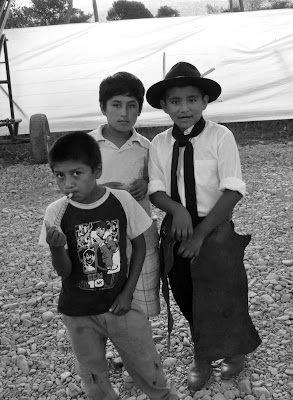
Three kids dressed in gaucho attire enjoy the festivities during an Argentine Rodeo in La Caldera, Salta, March 14, 2010.

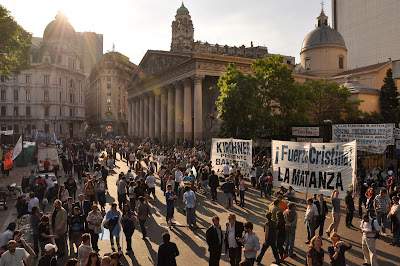
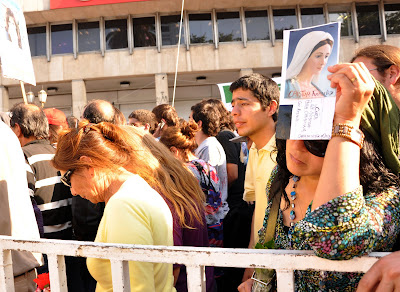
Velorio de Nestor Kirchner

From velatorio

Tuesday, January 11, 2011

Japanese Taiko Drummers

From Fotos of the Year


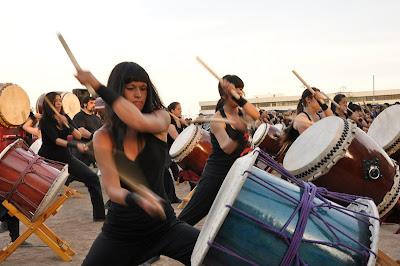
A grupo of Taiko Drummers finish the Japanese Heritage festival in Bajo Flores, Buenos Aires, October 24 2010.

Bicentennial Security

From Fotos of the Year


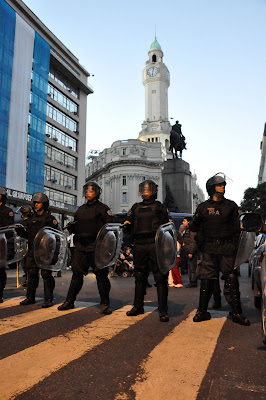
Riot Police wait on the Diagonal Sur Avenue as a final bicentennial presentation culminated the five day celebration in La Plaza de Mayo, Buenos Aires, May 25 2010. Over 2 million people visited the city center during the final day.

Thursday, January 6, 2011

Taxi Tango Dancers

From Fotos of the Year


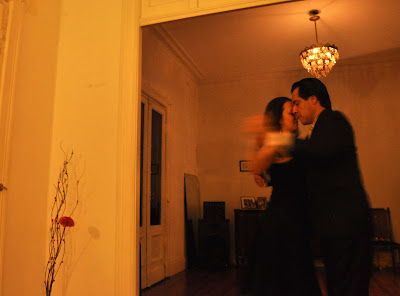
Owners of the Buenos Aires Tango service Tango Taxi Dancers, Rachel Sloan and Eduardo Amarillo show some of the basic steps incorporated with the tango. (Photo/Brian Funk)

Argentine Bicentennial Parade

From Fotos of the Year


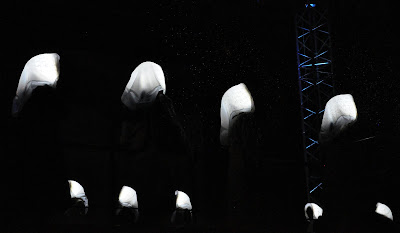
A Parade put on by the Fuerza Bruta theater group portrays the solemnity and determination of the Mothers of the Plaza de Mayo for the Argentine Bicentennial Celebration in Buenos Aires, May 25 2010. (Photo/Brian Funk)

Wednesday, January 5, 2011

Fuerza Bruta

From Fotos of the Year


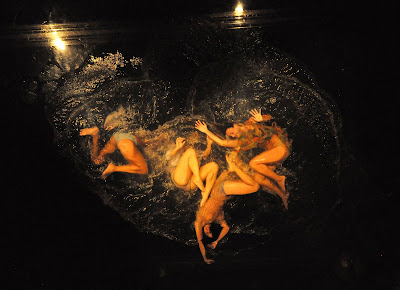
Performers from the theatrical group Fuerza Bruta use the roof as a slip and slide above the audience below, in Recoleta, Buenos Aires, March 23 2010.

The Burial of Former President Nestor Kirchner

From velatorio


Argentine supporters of Former President Nestor Kirchner wait in a line to see his casket outside the Casa Rosada, in Buenos Aires October 28th 2010.